Before the Lime Touches the Fish: Who Stands Behind Peru's UNESCO-Listed Ceviche
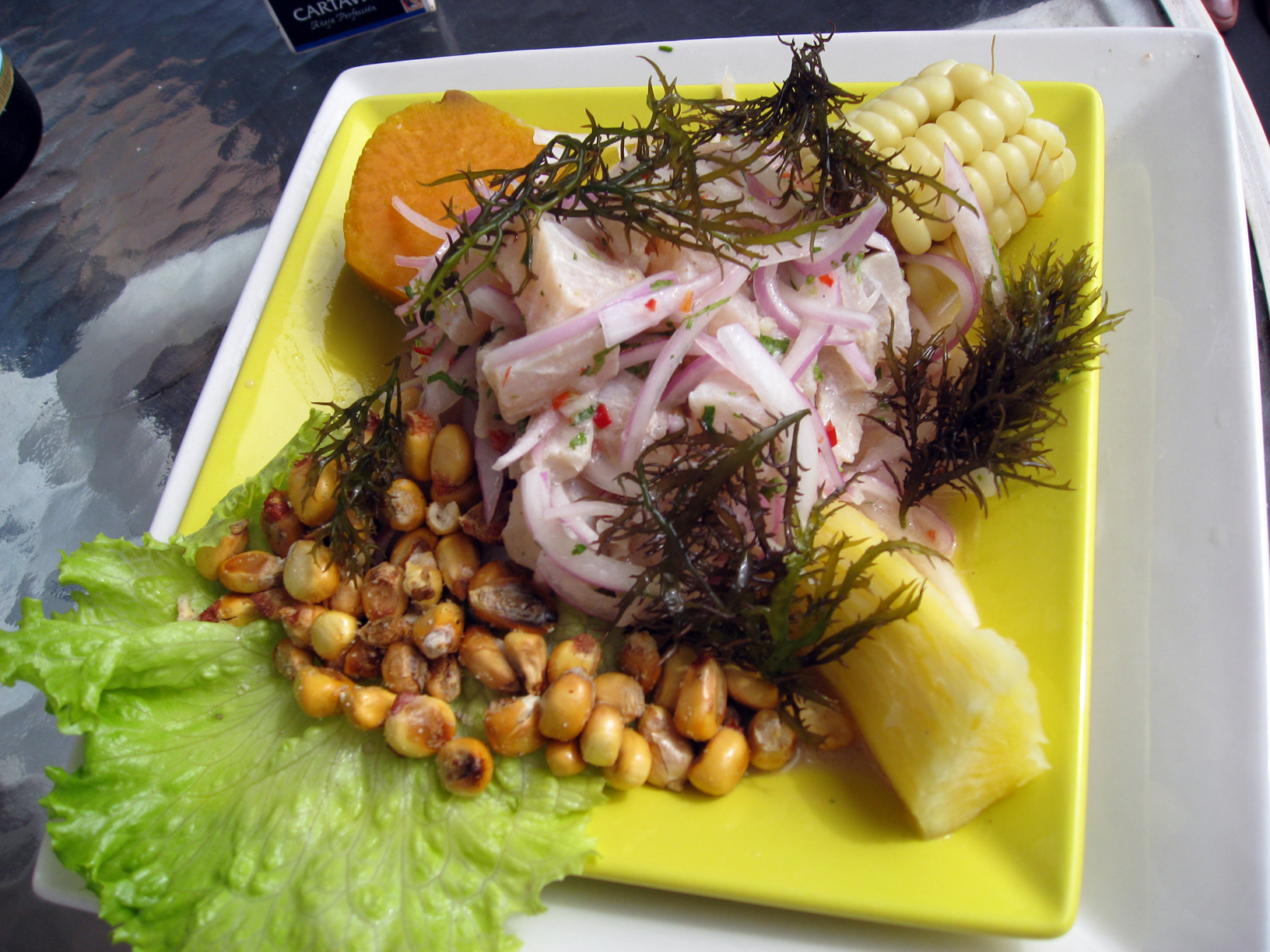

Peru's 2023 UNESCO listing credits more than a recipe. It recognizes fishers, farmers and the cooks of the cevicherías, and the community efforts to look after the species the dish depends on.
A recipe for ceviche fits in a breath: raw fish, citrus, chili, salt. UNESCO's description starts there too, with fish marinated in citrus, and then moves quickly to everything the recipe leaves out.
On December 6, 2023, a UNESCO committee meeting in Kasane, Botswana, added Peru's ceviche practices and meanings to its Representative List of the Intangible Cultural Heritage of Humanity. Peru's culture ministry said that the recognition reaches the whole chain behind the plate: small-scale fishers from the coast, the Andes and the Amazon, farmers, and cooks.
That is the real subject of the listing. What UNESCO recognizes is a body of know-how and a set of social habits, along with the people who hold them.
A weekday lunch and a saint's day
According to UNESCO, ceviche shows up at ordinary meals and at celebrations alike. It is part of social gatherings and of ritual dates, above all the festivity of Saint Peter, the patron saint of artisanal fishers.
The pairing is telling. The saint who watches over the people who bring in the catch is the one tied to the dish, so the fisher stays part of the meaning of the meal.
Cevicherías and the women who run the kitchens
Some ceviche is made at home. Some is sold in cevicherías, and UNESCO singles those out as places where the work of traditional women cooks is especially visible.
Skills mostly move through families, the nomination says, and training programmes can sit beside that, including ones on managing natural resources. Kitchens come first as schools, and formal courses are an addition.
Many regions, one claim
No single Peruvian ceviche exists. UNESCO says recipes differ by region and that the differences help each region hold on to its own identity.
The culture ministry reads the listing as a chance to value traditional cooking as something that binds Peruvians together and lets them recognize one another.
The fish question
The most practical line in the UNESCO text concerns supply. People who carry the tradition link the dish's taste and quality to local, sustainable ingredients, it says, and they have set up community measures to protect and bring back traditional ingredients, among them several fish species.
So the listing carries a quiet duty. If a dish is defined by who fishes, who farms and who cooks, keeping it alive means keeping the water and fields healthy. UNESCO describes measures that communities report; it does not claim results, and neither does this article.
What to look for
Next time you sit down to ceviche, the listing suggests the questions worth asking: where the fish was caught, who is working the counter, and what regional habits shape the plate. The archival photo above, taken in 2007, shows a fish ceviche in La Punta, Callao, served with corn, cassava, toasted corn and sweet potato.
Notes
No notes on this story yet.