Five Percent: What Two 2026 Studies Say About Latino Roles on Screen, and the Latinas Organizing Around Them
A UCLA film study and a USC broadcast study measure different things, but they land in the same place: Latinos are about a fifth of the country and a sliver of the cast list.
Two research groups published numbers on Latino representation in 2026, and they did not measure the same thing. UCLA's Hollywood Diversity Report looked at theatrical films. A USC Norman Lear Center initiative called ¡Pa'lante! looked at network television. Read side by side, they say the gap shows up on both screens.
The UCLA report, released March 12, analyzed 108 of the top English-language theatrical releases of 2025. The Los Angeles Times reports that Latinos played 5% of all roles and 2.8% of lead roles, held 2.5% of directing jobs and 0.5% of writing jobs. The USC study, released January 28, found Latinos were 6% of all roles across the top 20 scripted broadcast series of the 2024-25 season.
The comparison point for both is population. The USC researchers put Latinos at nearly 20% of the country. The numbers are not directly additive, because they cover different years, formats and samples. They are useful as two measurements of the same pattern.
What the television study counted
The USC study, titled Between Stereotypes & Specificity, set out to sample the top 15 broadcast programs. The team expanded to 20 because Latino characters were so rare. Senior researcher Soraya Giaccardi Vargas told the Times that reaching 100 Latino characters would probably have meant going down to the top 40 shows.
It also counted how characters were written. One in four Latino characters was a career criminal. Heritage was specified for 26% of Latino characters, and most of those were Mexican. Of 69 characters rated on a skin-tone scale, only three had dark skin tones. For shows set in Los Angeles, where Latinos are 48% of the population, the study found 10% of characters were Latino.
What the film study adds
The film numbers are most striking at the top and behind the camera. A 5% share of all roles drops to 2.8% for leads, and the writing figure is 0.5%. The Times also cites a Pew finding that 59% of Hispanic adults had been to a movie theater in the past year, compared with 53% of white adults and 49% of Black adults. In that comparison, Latino viewers are showing up at least as often as other groups.
Each study has limits. The UCLA sample covers 108 English-language releases from one year. The USC sample covers 20 shows from one season. Neither says how many Latino performers are working in streaming, cable or Spanish-language production.
Who is organizing
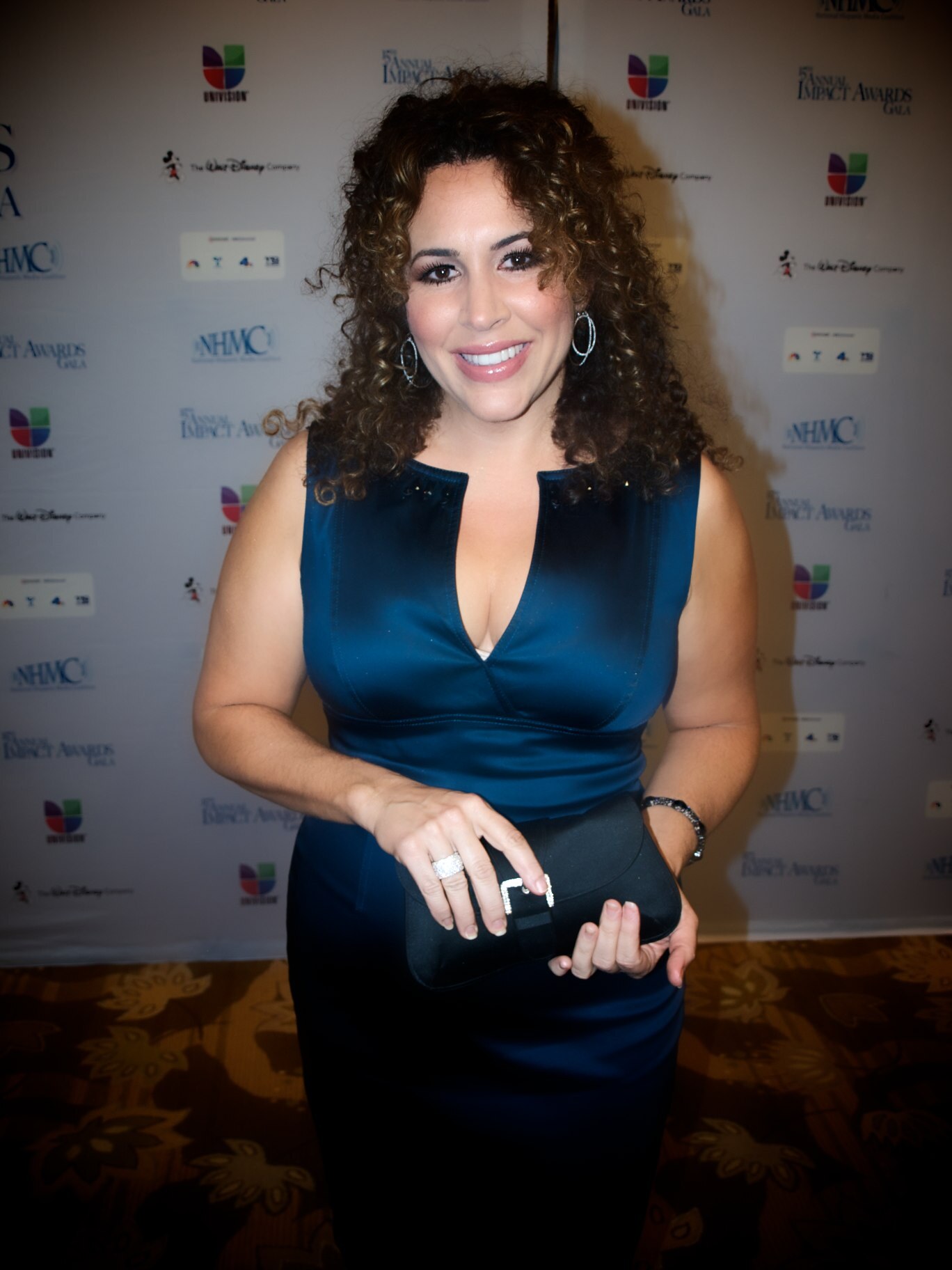
Latinas Acting Up describes itself as a platform for Latinas, and those who identify as such, in film, TV, theater and media. According to the group's own site, it began when SAG-AFTRA Latinas, organized by actors Diana Maria Riva and Lisa Vidal, picketed in union solidarity during the 2023 industry strike. It now offers support, mentorship, resources and community, and says it aims to raise the visibility of Latinas in the industry.
That is the group's account of itself, not an outside evaluation. The two studies measure casting across the industry. They do not measure the group's work or its effect, and this article draws no link between them.
Notes
No notes on this story yet.